Chasing the Mother Road: Route 66 Turns 100
- Ryan Jakubowski
- May 21
- 4 min read

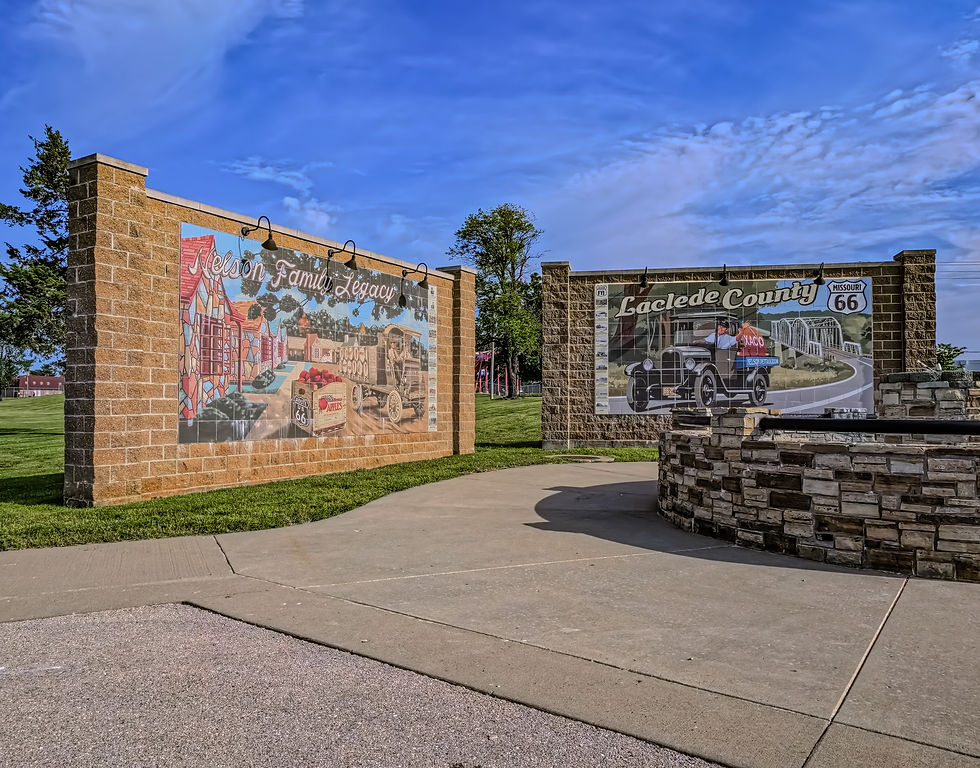
There’s something unforgettable about driving down U.S. Route 66 Centennial during its 100th birthday celebration. Route 66 is more than just a highway — it’s America’s living museum of neon signs, roadside diners, vintage motels, forgotten towns, and stories from generations of travelers who crossed the country in search of opportunity and adventure. Stretching over 2,400 miles from Chicago to Santa Monica, the “Mother Road” officially opened in 1926 and quickly became one of the most legendary highways in American history.

For the centennial celebration in 2026, Route 66 is experiencing a revival unlike anything seen in decades. Travelers from all over the world are returning to the historic roadway to experience surviving neon motels, vintage attractions, and authentic roadside Americana before it disappears forever. Driving through Missouri especially feels like stepping directly into the golden age of American road trips.
During our journey, we stopped in two of Missouri’s most iconic Route 66 towns: Cuba and Lebanon — both packed with history, classic roadside architecture, and some of the most recognizable motels on the entire route.
Cuba, Missouri – Murals, Neon, and the Wagon Wheel
Cuba, Missouri has become one of the best-preserved Route 66 communities in the country. The town is famous for its massive outdoor murals, vintage roadside attractions, and its connection to early highway travel culture.

The highlight of Cuba is without question the legendary Wagon Wheel Motel — one of the oldest continuously operating motels on all of Route 66. Built in the mid-1930s using local Ozark sandstone, the property still maintains its original stone cottages, vintage neon signage, and classic motor-court design that defined early American road travel.
Unlike modern chain hotels, places like the Wagon Wheel were built specifically for motorists exploring America’s new highways. Travelers could pull directly up to their room, unload their luggage, and continue their cross-country journey the next morning. Standing there today feels like stepping directly into the 1940s and 1950s.
One of the coolest parts about the Wagon Wheel is that it was restored instead of modernized beyond recognition. The owners carefully preserved the historic feel while still keeping the motel functional for modern travelers. The original neon sign still glows along the roadside, making it one of the most photographed stops on Route 66 today.
Cuba itself also embraces Route 66 culture completely. Everywhere you look are classic cars, roadside gift shops, old gas stations, vintage signs, and murals telling stories of the highway’s history. It’s one of those towns where Route 66 doesn’t just survive — it still feels alive.
Lebanon, Missouri – Home of the Munger Moss Motel
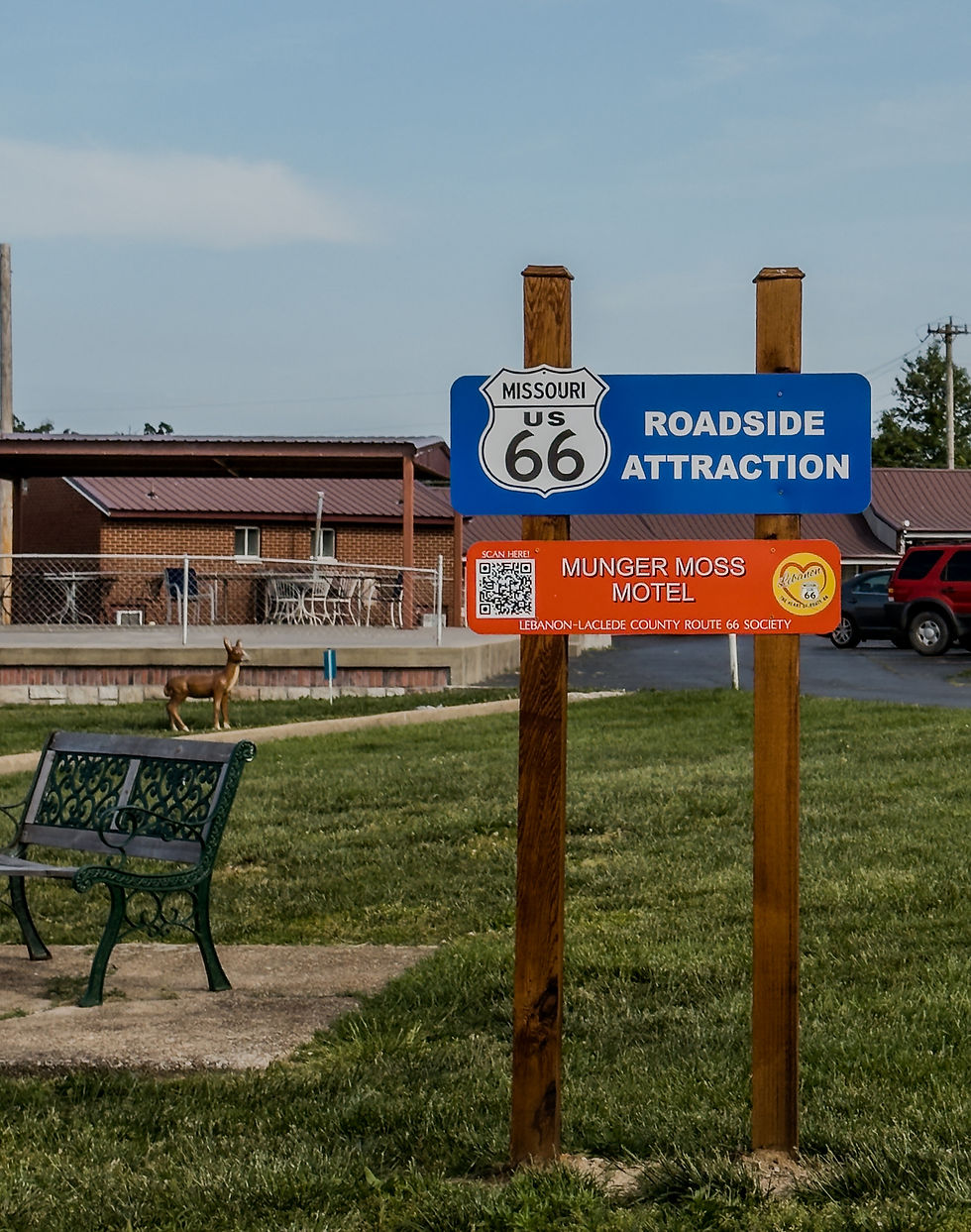
Further west along the Mother Road sits Lebanon, Missouri, another must-stop town for anyone driving historic Route 66. Lebanon is home to one of the most famous motel signs in America: the iconic Munger Moss Motel.


The motel traces its roots back to the 1930s when the original Munger Moss restaurant operated near Devil’s Elbow, Missouri. After World War II, the business relocated to Lebanon and expanded into a full motel in 1946. Over the years, the property became one of the defining symbols of Route 66 travel culture.
What makes the Munger Moss so unforgettable is the neon. The giant glowing sign has become one of the most recognizable Route 66 landmarks in the country and perfectly captures the golden age of roadside America. Even today, photographers, road trippers, and Route 66 enthusiasts stop there simply to see the sign lit up at night.

The motel itself represents a disappearing era of independently owned roadside businesses that once lined America’s highways before the interstate system bypassed many small towns. When Interstate 44 replaced portions of Route 66, countless mom-and-pop motels disappeared forever. Somehow, the Munger Moss survived.
In recent years, preservation efforts have helped keep the motel’s history alive, including restoration work on the famous neon sign ahead of the Route 66 centennial celebrations.
Driving into Lebanon at night and seeing that glowing neon sign feels like discovering a piece of old America that somehow escaped time.


Why Route 66 Still Matters
The 100th anniversary of Route 66 is about more than nostalgia. It’s about preserving a uniquely American story. Before massive interstate highways changed road travel forever, Route 66 connected small towns, diners, gas stations, tourist courts, and roadside attractions into one continuous adventure across the country.
Places like Cuba and Lebanon remind travelers what road trips used to feel like — slower, more personal, and full of unexpected discoveries.
For me, this trip wasn’t just about seeing historic places. It was about experiencing the atmosphere of Route 66 while it still exists. Standing beneath the neon glow of the Wagon Wheel Motel and the Munger Moss Motel felt like stepping directly into the golden age of American travel photography.
As Route 66 celebrates its 100th birthday in 2026, there has never been a better time to explore the Mother Road. Every surviving neon sign, historic motel, and roadside stop tells a story from another era — and once they’re gone, they can never truly be replaced.


Comments